
BFRB Urge is just your Check Engine Light Turning On
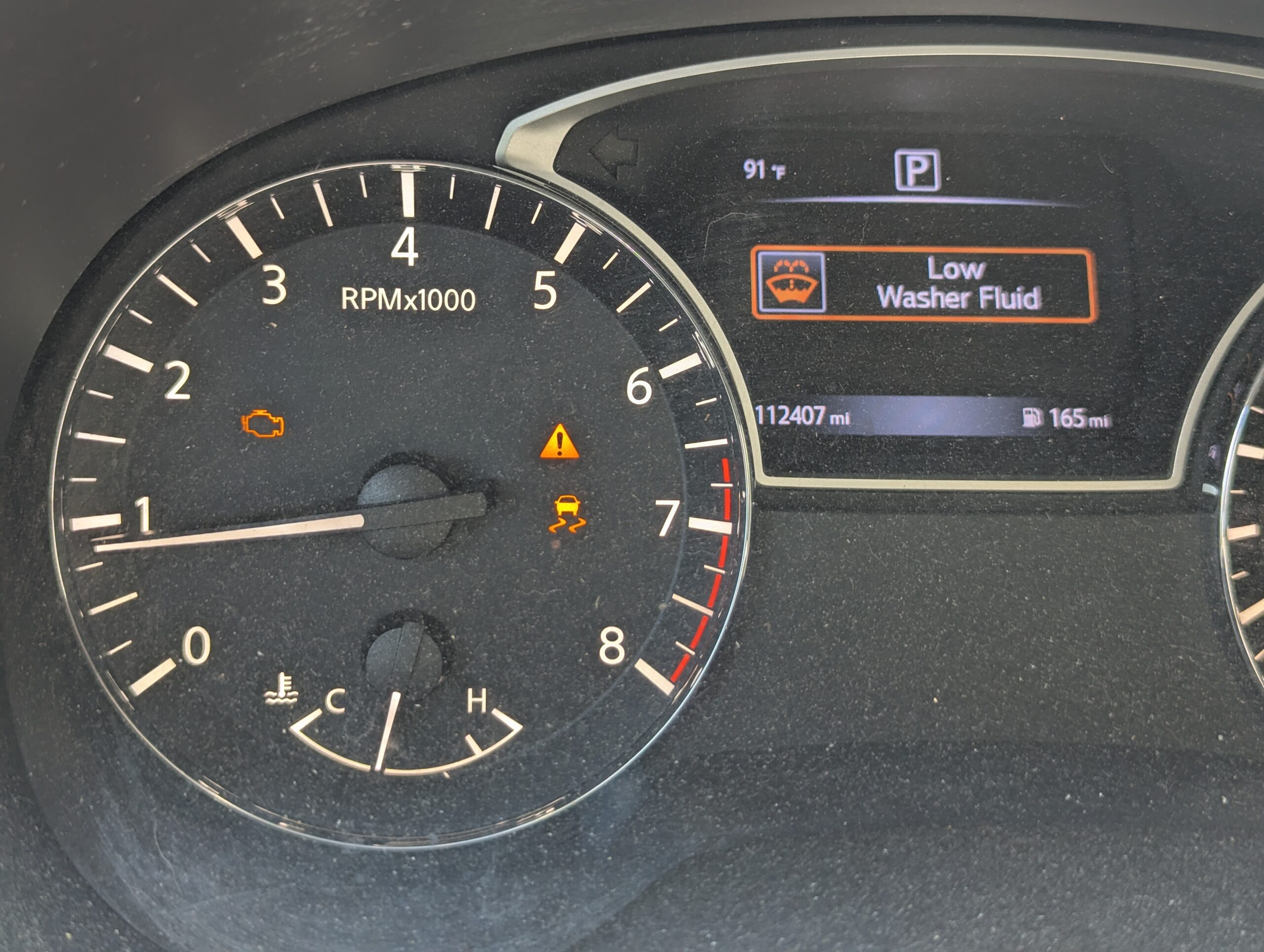
My favorite metaphor since 2018 has been thinking of a BFRB* urge as a check engine light. **
If you went to the mechanic and they simply put black electrical tape over your check engine light and said, “Look, you can’t see it anymore. The problem is solved.” You would be incredibly angry. I mean at least look under the hood!
When I think of oversimplified behavior resistance approaches to BFRB, to me that is equivalent. While there might be a short-term benefit to not seeing the warning light, ultimately there is something that needs to be dealt with for the vehicle to run sustainably for a long time.
I think that’s why a lot of recovery attempts are so short, because we don’t quite assess and address what all is contributing to the urge. Why is that check engine light on? Why is it on in this moment?
So what is going on “under the hood” in your BFRB?
With a car they run diagnostics and look at all the different possibilities. In psychotherapy we have to do the same thing, we call it diagnostics and functional analysis.
- There may be some obvious answers.
Check engine light and other car warning lights on serves as a metaphor for the urge we experience in BFRB (Body focused Repetitive Behaviors such as trichotillomania (Hair Pulling disorder) and excoriation (skin picking disorders) - There may be many different causes.
- There may be a series of dominoes leading to the BFRB.
- There are likely different issues going on in different contexts. So, meeting one does not necessarily resolve the whole problem.
Over a lifetime what turns on that check engine light can change the reason you bring your car to the mechanic. The first year may look very different than 5th year. That’s true in our bodies too. What triggered us in third grade may be same or different to puberty and coming of age and shifting into parenthood and grieving and widowing and all of the different phases of life that we may live through.
In my therapeutic process, I hold not just the basic clinical diagnostics to go through of what other clinical issues may be at play, but I also consider a lot of things that are not pathological. Meaning they may not be abnormal to the human condition. But for the person sitting in front of me, these “normal” life struggles are tangled into their BFRB. pun intended 😉
- Relatively normal swings of hormones can still impact your BFRB
- Grief is a huge trigger for people with BFRB. It doesn’t mean everyone grieving will pick skin or pull hair. But oomph, if you’ve got trichotillomania or excoriation, then grief is going to turn that on. A fidget can only do so much for such a deep existential wound
- Boundaries, passivity, awkward and vulnerable conversations… those very normal things that it means to be a human connected to other humans in our world are the most common triggers I see. So we still have to deal with those. We find skills that work for you in your specific life, and find ways to tolerate the discomfort and awkwardness. We look at both anticipating it, dreading it, as well as sitting in the discomfort that happens afterwards.
- Sensory integration is an often overlooked situation that I’ve been obsessed with in the last 15 years of my practice or more, and often there’s not an obvious co-occurring issue. This would be our first step and a really big hitter. Even with multiple other triggers going on, the sensory lens is still vital because what meets one person sensory needs may actually make the next person worse.
The psychobabble is the functional analysis. How is this BFRB functioning in your nervous system? What need is it meeting for? You and I look at the many steps that build up to the urge, because once we get to that very last Domino of the urge, it is so hard to deal with. Once we’re in that trance it’s even harder to deal with. The various things that send us on that path are all opportunities to create a fork in the road and provide strategies that authentically meet our needs.
We look for personalized strategies that authentically heal our struggles. To address our survival styles with compassion and strength and allow us to live a life that we don’t need to numb from.
And maybe we can spend more of our journey without the check engine light on. And of course if you travel long enough, the light will come back on. That doesn’t have to be a setback. It doesn’t have to be the end. You know the common go-to’s of what causes your light as you get further into recovery. But stay curious, because maybe there’s a plot twist
I appreciate your patience through my mixed metaphors. I’m so deeply passionate about all things BFRB, including the minutiae and sparkle that comes with the BFRB brain. People who come to me with the BFRB are the most amazing people and I am so grateful and honored to support them everyday.
*BFRB is Body Focused Repetitive Behavior. This is the umbrella term for Trichotillomania (Hair Pulling Disorder), Excoriation (Skin Picking Disorder), Nail Biting, and Cheek/tongue chewing.
** Thanks to a brilliant colleague at the NARM training, Whitney Bliss, for mentioning a check engine light metaphor in the context of developmental trauma and survival styles for this inspiration.

Priscilla Elliott is a Licensed Professional Counselor and Somatic Experiencing Practitioner in south Austin. She owns and provides psychotherapy at Courage Counseling, PLLC. While specializing in helping clients who are struggling with trauma, trichotillomania, and/or skin picking disorder; she also supports many in life transitions, anxiety, and depression. Call now for help: 512-673-3987